Someone,not something.
Every chicken, fish, cow and pig has a life that matters to them. Here is what animal agriculture takes from them.
Chickens
Hens, broiler chickens and the male chicks of the egg industry.
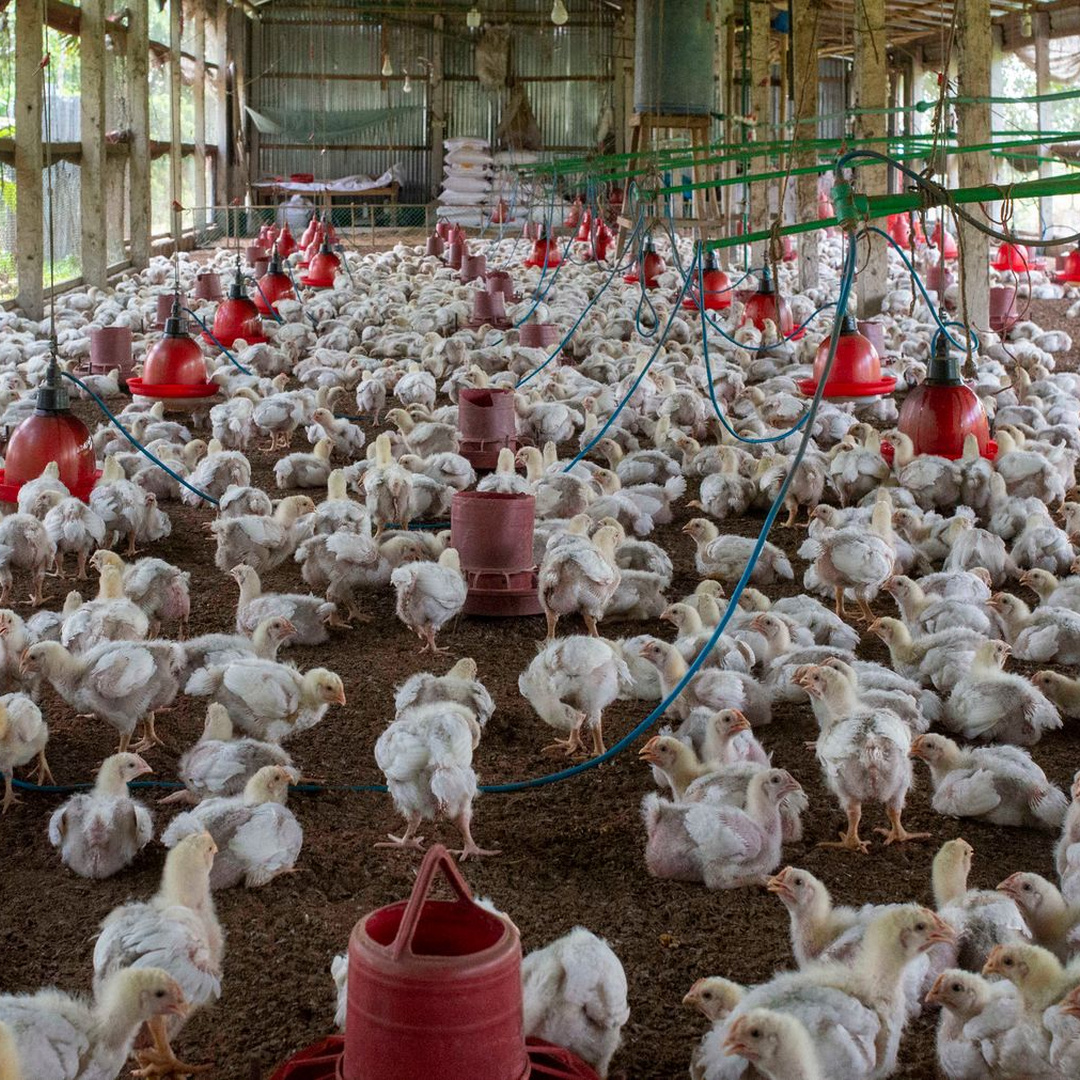
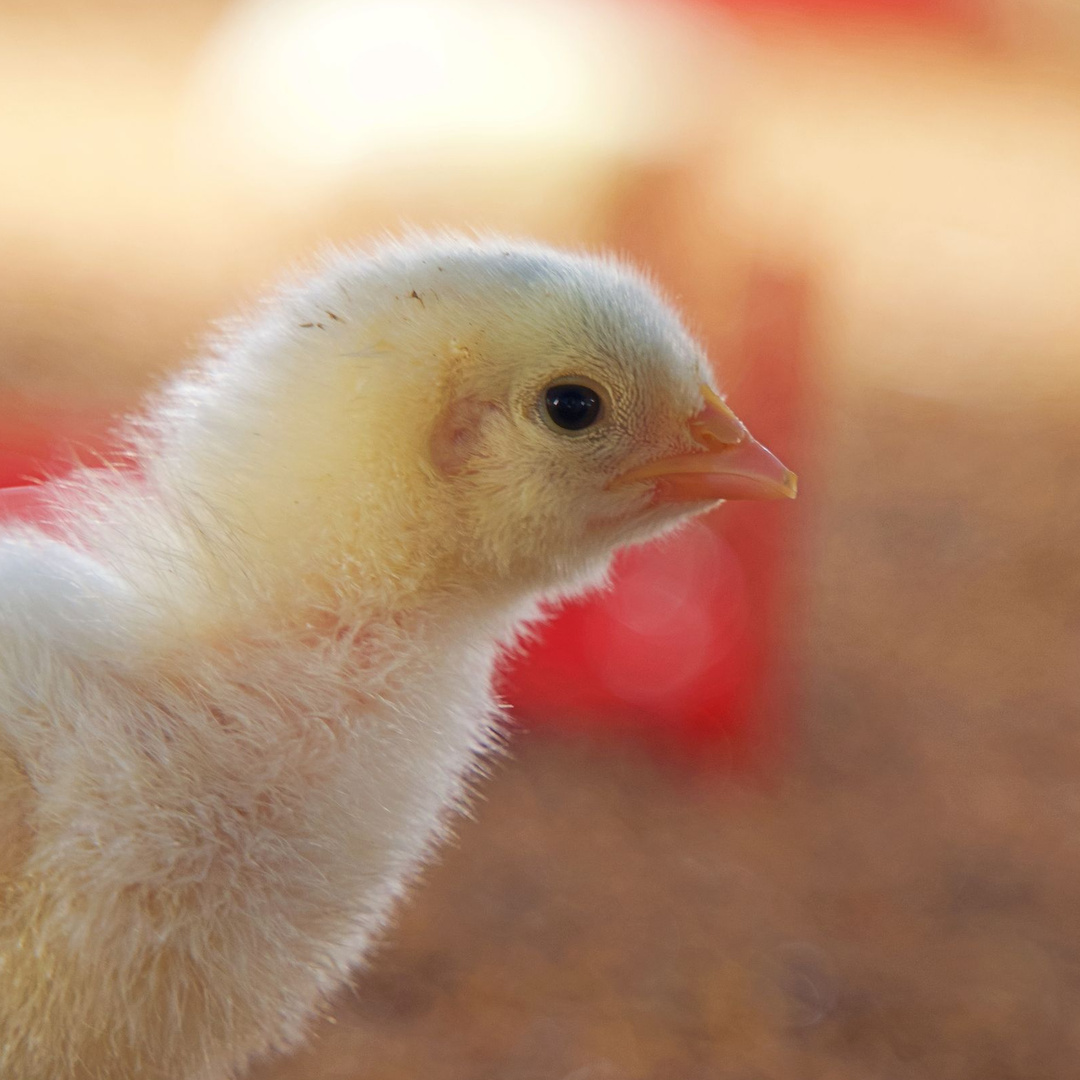
A life measured in weeks, not years.
Hens farmed for eggs generally live in spaces so small, they can’t peck, scratch, dust-bathe or even stretch a wing. Cages are stacked like shoe boxes in windowless warehouses thick with ammonia.
Chicks only days old have the tips of their beaks sliced off with a hot blade, without anesthetic. A British government committee of veterinarians found this causes severe pain.
Labels like "cage-free" and "free-range" do not end this suffering.
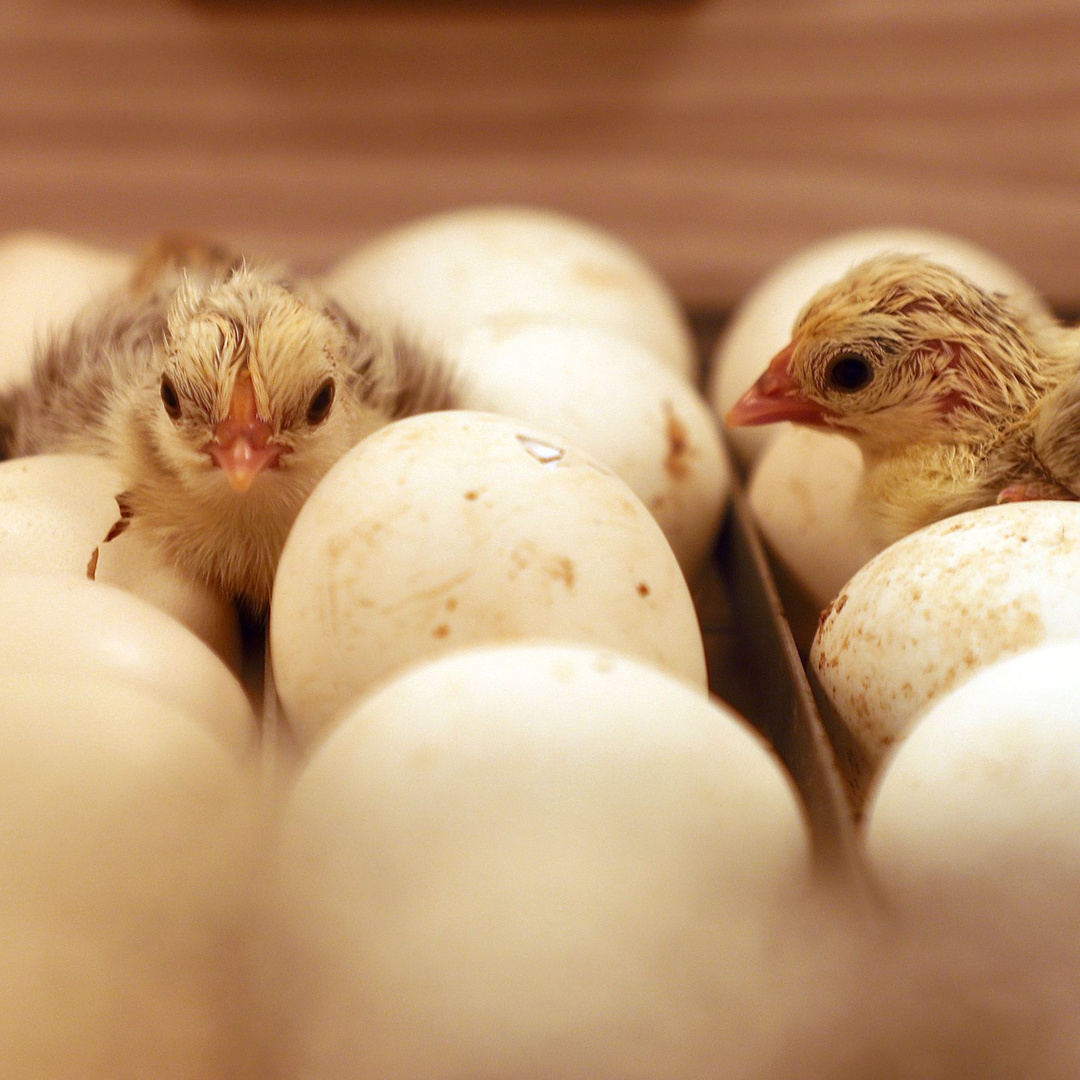
Born, then thrown away.
Over 400 million chicks a year are born in industrial hatcheries. Half of these, of course, are male. The male chicks born to the layer hens don’t grow large enough to be profitably raised for meat.
They aren’t very good at laying eggs either so they are considered a useless byproduct of the industry. These 200 million newly hatched chicks are “disposed of.”
A convenient and widely practiced method of killing them is to toss the chicks into plastic garbage bags and throw them out with the trash, or shovel them into dumpsters where they slowly suffocate, dehydrate and starve. Some hatcheries have made this horror profitable by throwing live chicks into a grinder to become fertilizer or pet food.
Fish
The most overlooked animals killed for food.
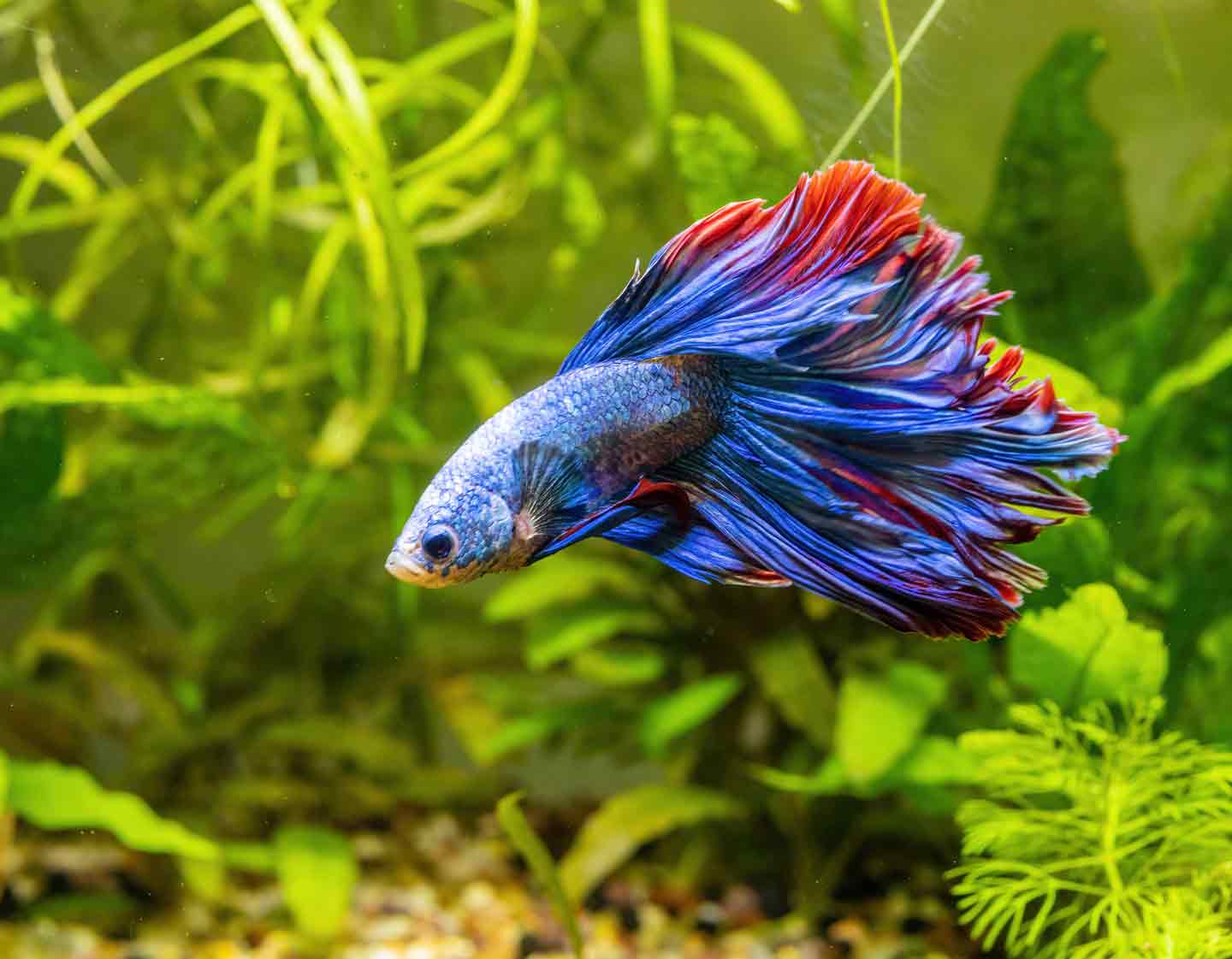
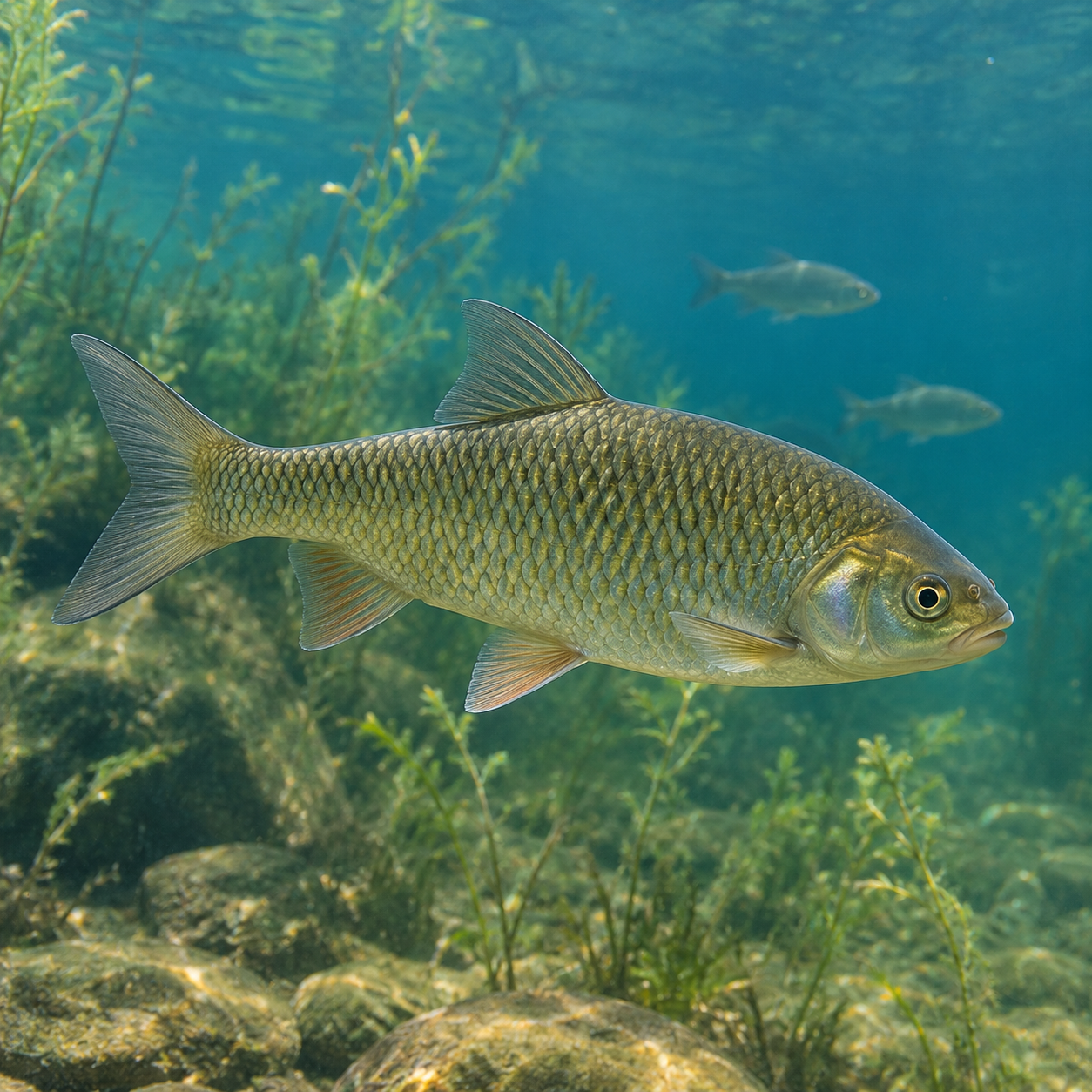
Every fish is someone.
The fishing industry measures its catch in tons. Behind that weight are individual fishes, each a sentient being with a life of their own.
- They feel pain
- They feel fear
- They recognize one another
- They use tools
Research shows that fishes feel pain and fear, recognize one another, use tools and have personalities. They suffocate, are crushed in nets or are cut open while still conscious.
Fish farms confine fishes in crowded, polluted water, where disease and injury are common. Wild-caught fishing empties our oceans and kills countless other animals as “bycatch”.
Cows
Mother cows used for dairy, and the calves taken from them.
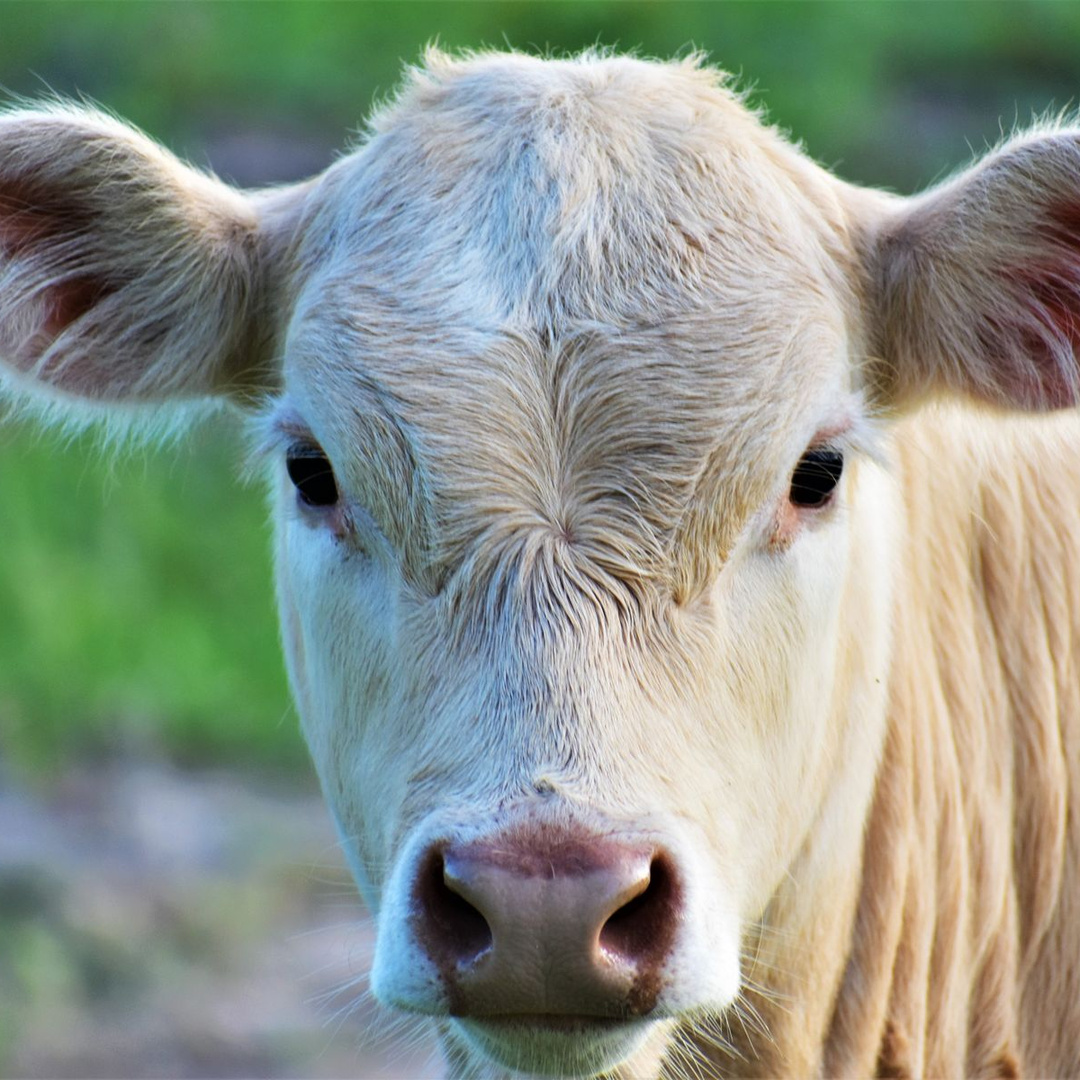
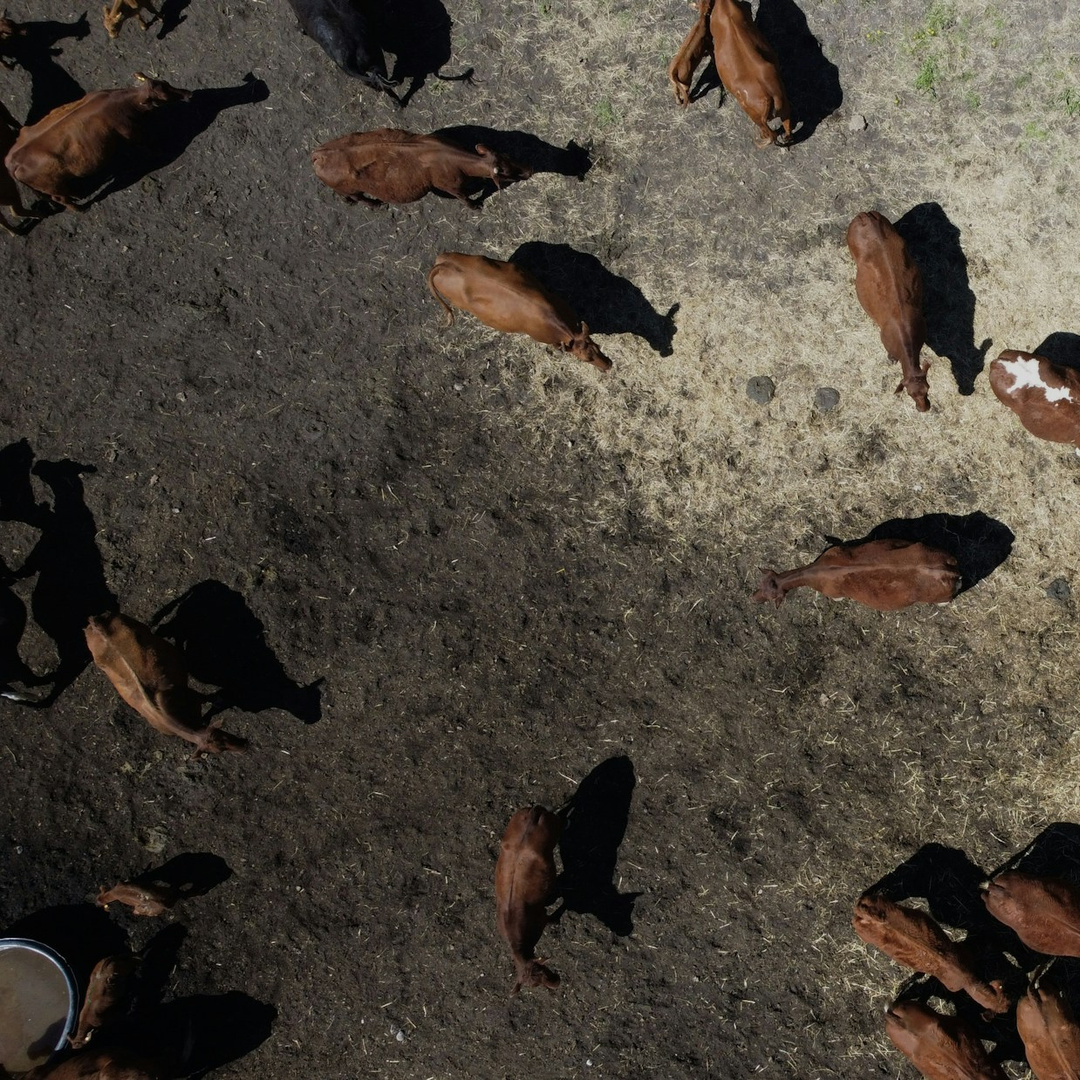
Every glass of milk has a mother behind it.
Like all mammals, cows make milk only after giving birth. To keep the milk flowing, dairy cows are made pregnant again and again, through artificial insemination, every year of their short lives.
Calves are taken from their mothers soon after birth, even on "humane" farms. Mother cows have been known to break through fences searching for their babies.
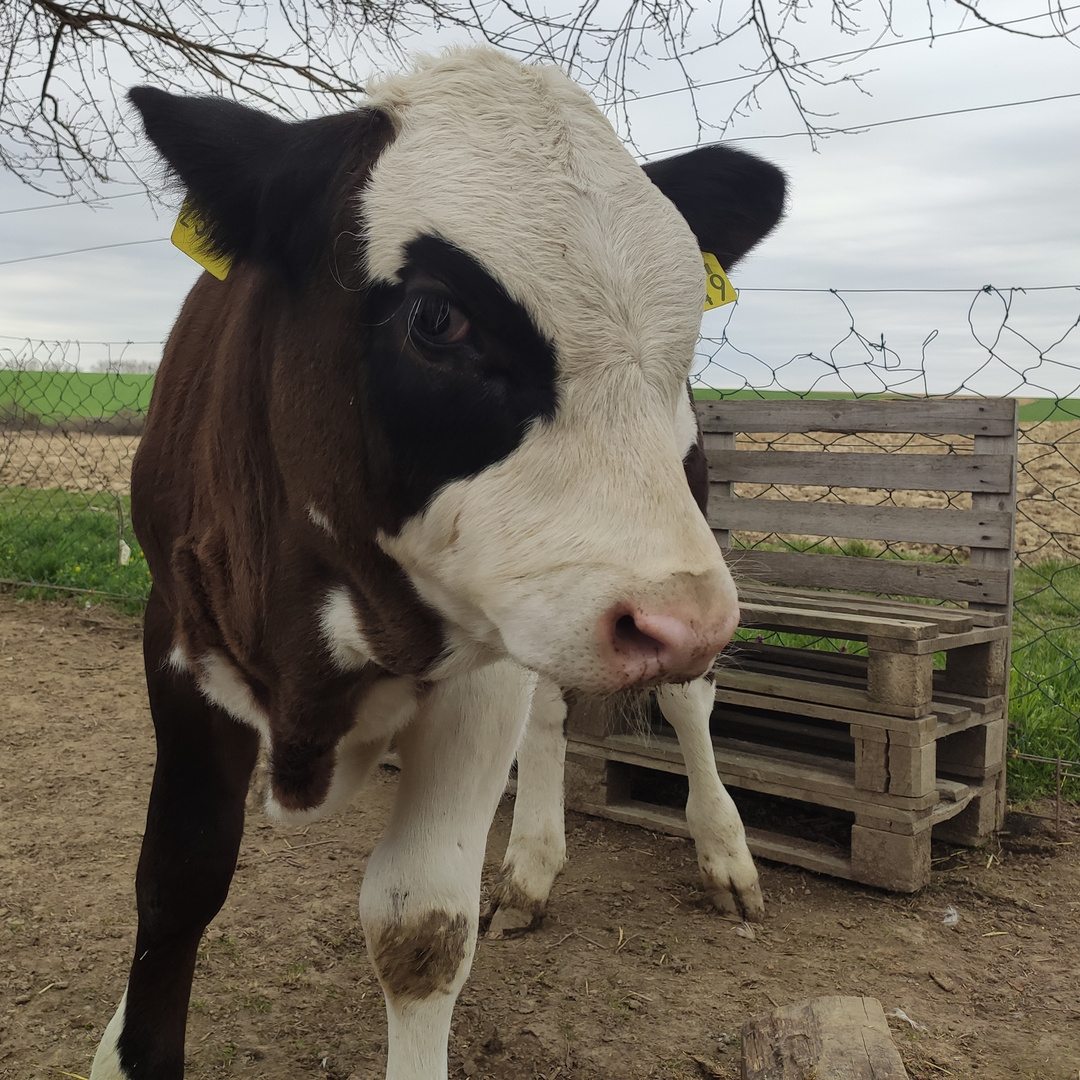
Dairy and veal are one industry.
Female calves are raised on formula in isolated "calf hutches", never knowing their mothers. Male calves are a "byproduct" of dairy, and many are killed for veal before their first birthday.
Many people refuse veal yet do not see that dairy and veal are connected. Supporting one supports the other.
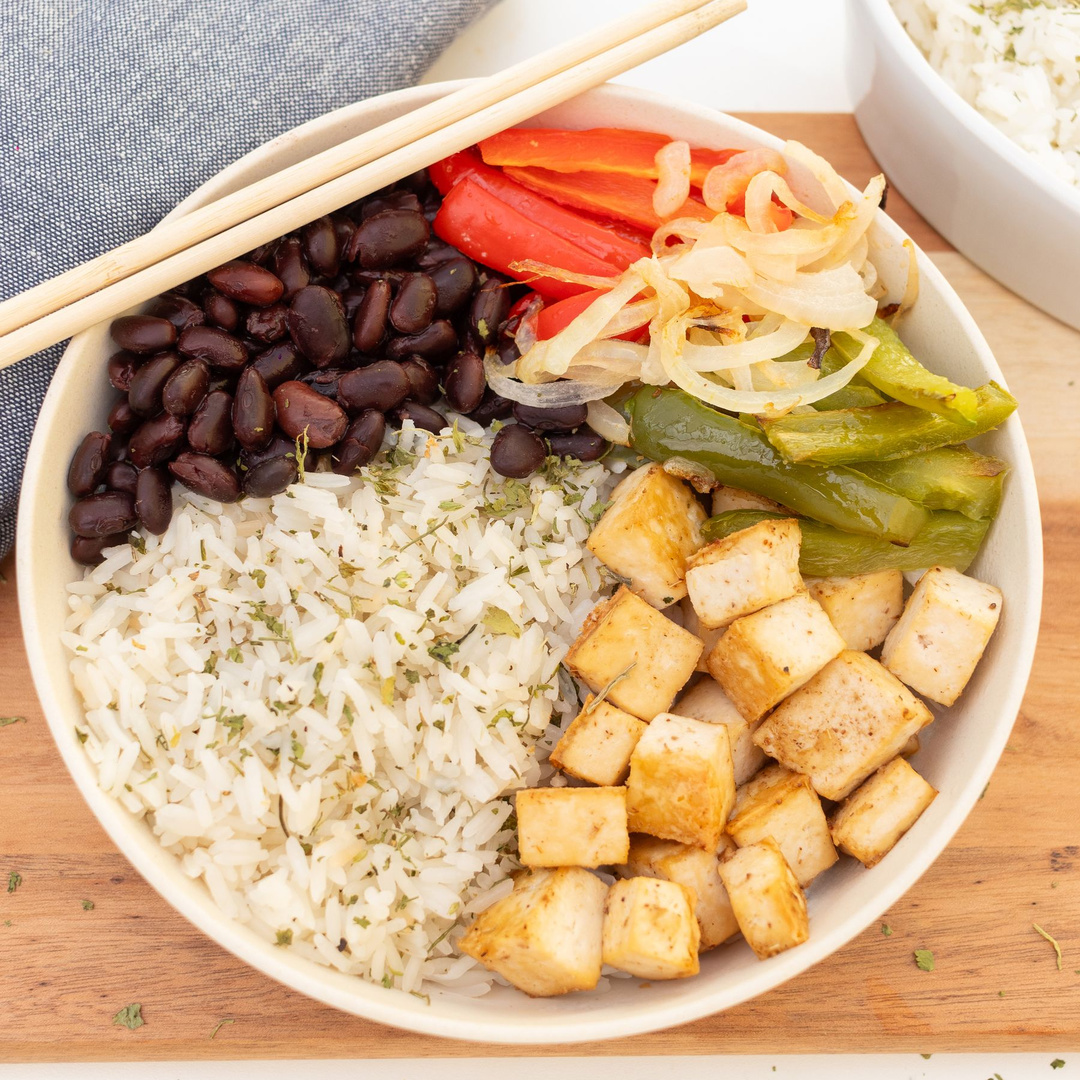
Farmed animals give us a choice. Please don't buy meat, dairy, eggs or fish. Choose vegan.
We can turn away from their suffering, or we can express our own compassion and become a nonviolent, more generous society.
Get inspired to make a difference for animals.
One short email a month with new podcast episodes, upcoming events and simple ways to help animals.
Compassionate Living is a community-based 501c3 non-profit organization. Your tax deductible donation helps us continue our work for a more compassionate, healthy and sustainable future. Please get in touch with us if we can answer any questions or if you'd like learn about volunteer opportunities with Compassionate Living.


